


Tinea (Fungal) Infection
Fungal infection of skin is of various types/causes, but commonest type is tinea infection. Tinea, commonly known as ringworm, is a contagious fungal infection that affects the skin, scalp, nails, and groin area. It spreads easily in hot and humid climates and can worsen if treated incorrectly with steroid creams.
At Ziva Skin Clinic, we provide advanced and result-oriented treatment for fungal infections with a focus on complete cure and prevention of recurrence.
Why it is cause of concern?
- Because this infection has reached epidemic proportion in INDIA.
- Increasing resistant to antifungal drugs, mostly due to use of steroid based creams, oral and injectable steroids. These steroids cause temporary relief in itching but suppress body immunity leading to increased fungal growth
- Increasing infection in children
What are types of Tinea infection?
- Tinea infection of body (T. corporis), groin (T.cruris), foot (T. pedis), scalp (T. capitis), nails (T. unguium) etc.
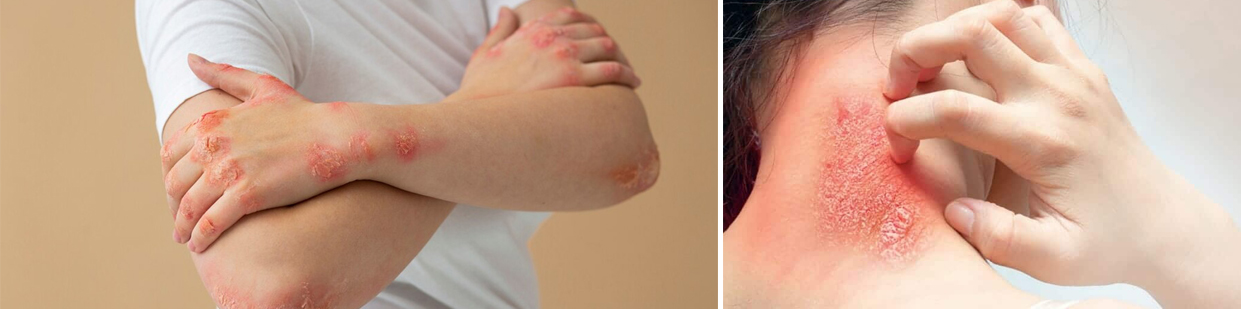
What are the common symptoms?
- Redness, itching and scaling with ring like lesions
- Patch of hair loss in scalp
- Thick and discolored nails
Treatment
- Most important is to seek treatment in early stage
- Don't self-medicate/don't take medicine from chemist shop without doctor consultation
- Take treatment from skin specialist only
- Oral and topical antifungal drugs needed, treatment need to be continued for some period even after lesion improvement. Now a days 2 to 3 months treatment usually needed.
Prevention
- Regular bathing and cleaning of body.
- Don't wear wet clothes.
- Take shower after heavy physical activity
- Don't wear tight clothes
- Don't share clothes, towels, soap etc. with infected person
- Laundry of clothes of infected person should be done separate and clothes should be dried in sunlight for atleast 2 hrs.
- Eat healthy diet
Frequently Asked Questions
Tinea is a common fungal skin infection, also called ringworm. It causes red, itchy, circular rashes on the skin.
Yes, it spreads through direct skin contact, sharing towels, clothes, bedding, or using common gym and washroom areas.
- Red, ring-shaped rash
- Itching and burning
- Scaly or peeling skin
- Spreading patches
Hot and humid weather, sweating, tight clothes, poor hygiene, and using steroid creams can increase the risk.
No. It usually requires proper antifungal treatment. Ignoring it may cause the infection to spread.
Treatment may include:
- Antifungal creams
- Oral antifungal medicines (for severe cases)
- Anti-itch medication
- Hygiene and lifestyle guidance